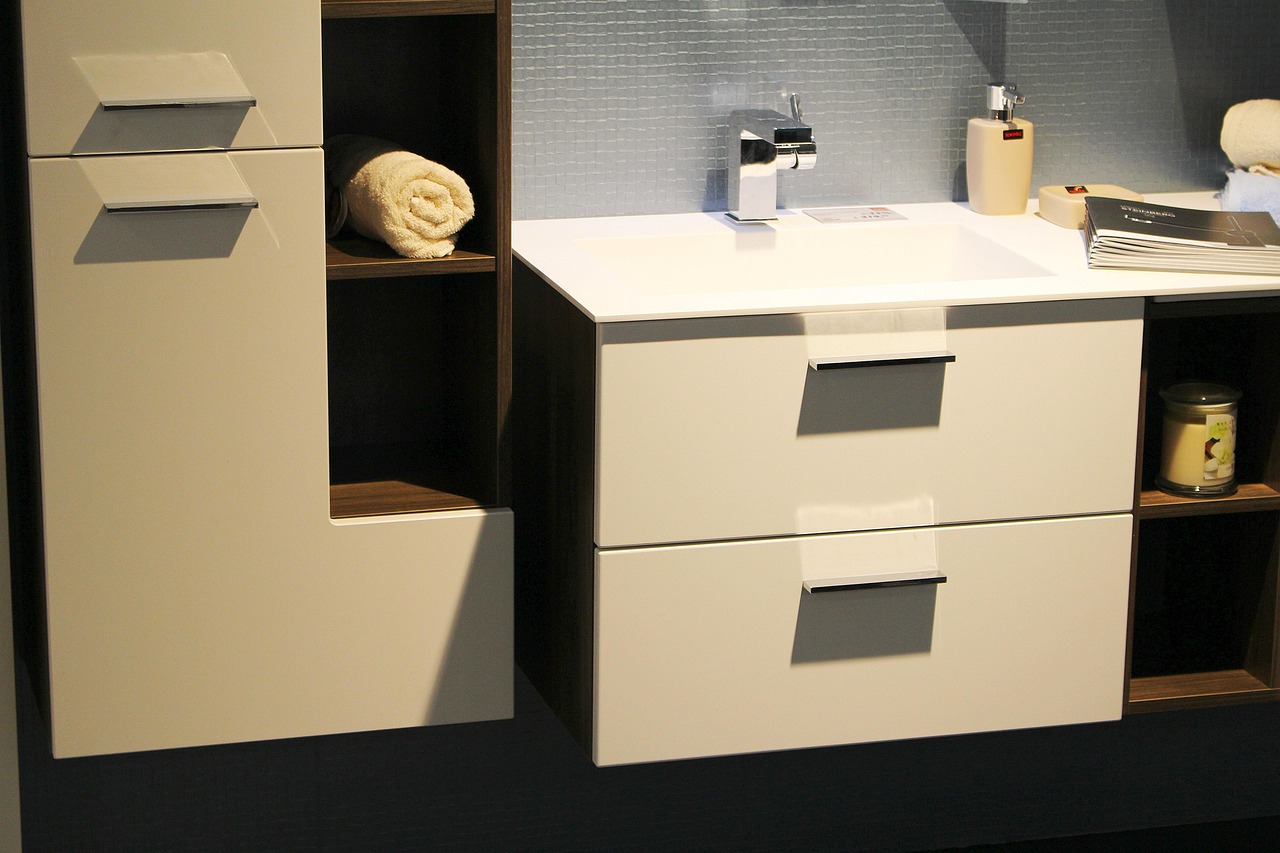
Bathroom remodeling in Santa Maria, CA turns tired, damp or awkward bathrooms into rooms that are bright, practical and built to cope with the Central Coast climate. Our projects are for Santa Maria homeowners in midcentury ranch houses, 1980s and 1990s tract homes and newer subdivisions, along with neighbors in Orcutt and Nipomo. We plan every remodel around moisture control, hard water and the way your family uses the room. The finished bathroom dries quickly, cleans easily and looks good for years.
What We Remodel
Most bathroom projects here combine three main services, each explained on its own page:
- Shower remodeling: watertight tiled or paneled showers, walk-in designs and tub-to-shower conversions.
- Bathtub installation: alcove, soaking and walk-in tubs with new surrounds and controls.
- Vanity installation: new cabinets, counters, sinks, faucets and mirror lighting.
We also handle the parts that pull a room together: tile floors, toilets, exhaust fans, lighting and safety upgrades like grab-bar blocking.
Coastal Moisture: The Santa Maria Factor
Santa Maria sits in a valley that opens to the Pacific, and marine fog often hangs around well into the morning. Cool, damp air means bathroom surfaces take longer to dry than they would inland. Over time that leads to:
- Mildew on ceilings, especially above the shower.
- Dark, stained grout and caulk that never seems clean.
- Peeling paint around windows and trim.
- Swollen vanity cabinets and baseboards.
- Musty smells that linger after showers.
A good remodel fights these problems from several directions: a quiet exhaust fan sized to the room and ducted outdoors, a humidity-sensing or timer switch so the fan keeps running, moisture-resistant drywall and paint, tile and grout that shed water, and a shower designed to drain and dry. We’ll look at your current ventilation during the visit and explain what would help. In many older homes, the only ventilation is a small window that stays closed on cold mornings, and simply adding a fan with the right duct run solves problems owners have fought for years. A window over the tub can stay, but it shouldn’t be the only way steam leaves the room.
Hard Water in the Valley
Most of Santa Maria’s water comes from wells and imported supplies with high mineral content. In the bathroom, that shows up as cloudy shower glass, crusty shower heads and spotted faucets. You can make a new bathroom much easier to maintain by:
- Choosing coated glass for shower doors and panels.
- Picking brushed, satin or matte finishes that hide spots.
- Using larger tiles so there are fewer grout lines.
- Selecting fixtures with replaceable cartridges.
- Adding a softener if buildup is a problem throughout the house.
Santa Maria Homes and Their Bathrooms
Midcentury ranch houses
Neighborhoods near downtown and in the older parts of the city have many single-story ranch homes from the 1950s through the 1970s. Their bathrooms tend to be compact, with original tile, steel tubs and small vanities. Common projects include replacing the tub-shower, retiling, adding an exhaust fan and finding more storage.
1980s and 1990s tract homes
Homes from this period, found across Santa Maria and in Orcutt, commonly came with one-piece fiberglass tub units, molded sink tops and plain light bars. Many owners now want a tiled shower, a quartz-topped vanity and brighter, more efficient lighting.
Newer subdivisions
Newer homes in the northeast part of town and around Orcutt usually have sound structure but basic finishes. Upgrades here tend to focus on larger showers, better vanities and more personal style.
Materials That Handle a Damp Climate
Some materials put up with lingering moisture far better than others, and in a foggy town that matters.
Porcelain tile absorbs almost no water, so it won’t harbor mildew the way older ceramic or natural stone can. High-performance or epoxy grout resists staining and doesn’t need regular sealing. Solid-surface shower walls have no grout joints at all, which removes the most common place for mildew to grow. Plywood or solid-wood vanity boxes hold up better than particleboard if water gets under the sink. Mold-resistant drywall and satin or semi-gloss bathroom paint keep ceilings and walls from absorbing moisture. Each of these costs a little more at the start but pays off in less scrubbing and fewer repairs.
Making a Small Bathroom Feel Bigger
Compact bathrooms are common in the city’s older ranch homes, but a few layout choices can make them feel much larger:
- A clear glass panel instead of a shower curtain, so the eye travels through the whole room.
- A floating vanity that shows more floor.
- Large tiles run continuously from the floor up the shower wall.
- A recessed niche and medicine cabinet that keep storage out of the way.
- A pocket door where a swinging door blocks the space.
- Light, warm colors and a mirror that runs wide across the wall.
Sometimes the footprint itself can grow by borrowing a few feet from an adjacent closet. That depends on where walls, pipes and vents run, which we check during the visit.
Tub or Shower in the Hall Bath?
In homes with young children, keeping a tub in the hall bathroom is usually the practical choice. If the kids are older and nobody takes baths, a walk-in shower may serve the household better. Some families split the difference: a tub in the hall bath and a larger shower in the primary bath. We’ll help you think it through based on who lives in the house now and who might later, and how long you expect to stay in the home.
Designing for Everyone in the House
Many Santa Maria households include children, working adults and grandparents under one roof. A bathroom that works for all of them might include:
- A handheld shower head on a slide bar.
- A bench in the shower.
- Blocking for grab bars, even if they aren’t installed yet.
- A comfort-height toilet.
- Slip-resistant floor tile.
- Good lighting for safety at night.
Our Remodeling Steps
- Talk through the project by phone or through the form.
- Free visit to measure, check ventilation and plumbing, and discuss ideas.
- Choose materials and review a written proposal.
- Apply for permits through the right city or county office.
- Demolition, repairs and rough-in work.
- Waterproofing, tile and fixture installation.
- Cleanup and a final walkthrough.
Hiring a Bathroom Remodeler: A Short Checklist
- Is the scope written out, including demolition and haul-away?
- How will the shower be waterproofed?
- Is the exhaust fan vented to the outside, not into the attic?
- What’s included in each allowance?
- Is the contractor’s California license current? It’s easy to check on the CSLB site.
Areas We Serve
We work in Santa Maria, from the older neighborhoods near downtown to newer subdivisions, and in Orcutt, Nipomo, Guadalupe, Los Alamos and Arroyo Grande.